
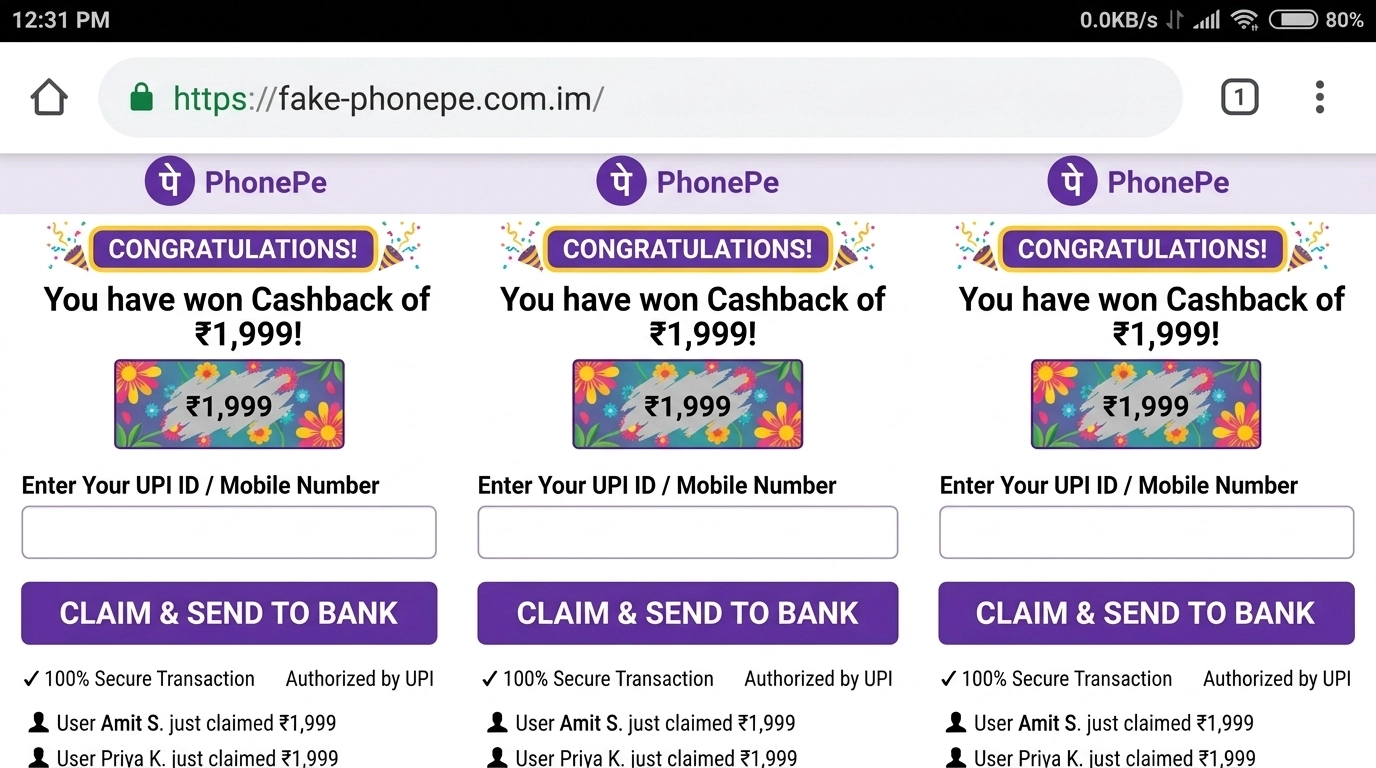
| Download Info | Details |
| App Name | Fake PhonePe APK |
| App Type | Unofficial / Fake App |
| Platform | Android |
| File Format | APK |
| Price | Free |
| Main Risk | Fake Payments & Data Theft |
| Safety | Not Recommended |
Fake PhonePe Screenshot
A Fake PhonePe Screenshot can look similar to a genuine digital payment confirmation, making it difficult for inexperienced users to determine whether a transaction has actually occurred. Edited images, fabricated payment messages, and misleading notifications can be used to create the impression that money has been transferred when no payment has reached the recipient.
Understanding how to identify suspicious payment images is important for shopkeepers, online sellers, freelancers, and everyday users. This guide explains common warning signs, practical verification methods, security precautions, and steps to take when a payment claim appears suspicious.
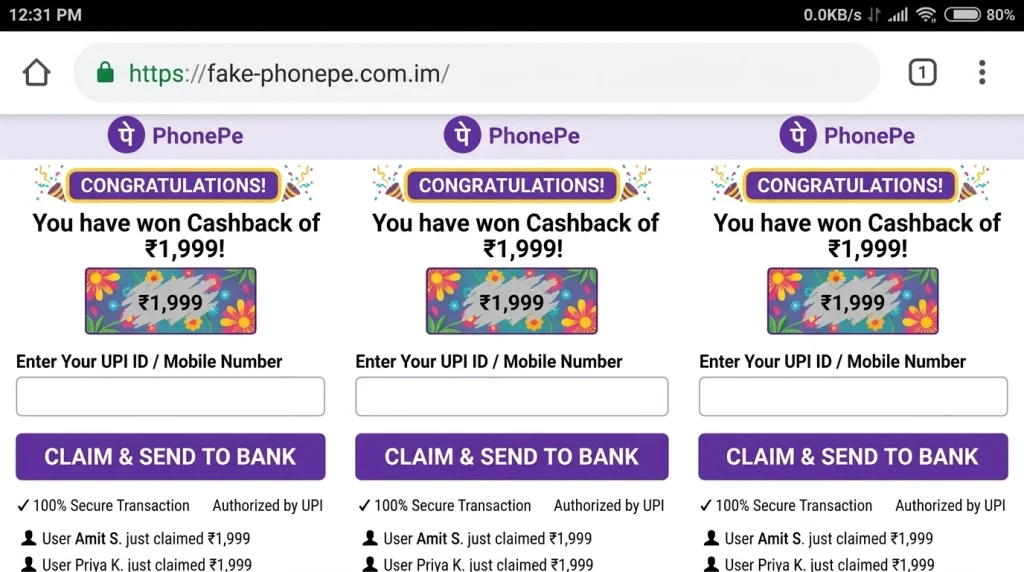
What Is a Fake PhonePe Screenshot?
A Fake PhonePe Screenshot is an image that imitates or misrepresents a payment screen associated with a digital payment service. It may contain inaccurate transaction details, edited text, or a simulated confirmation message that does not correspond to a genuine financial transaction.
These images may be shared through messaging applications, social media, or online marketplaces. Their purpose and origin can vary, but the central issue is that an image alone cannot prove that money has been received.
Common characteristics of suspicious payment images include:
- Incorrect or inconsistent transaction amounts.
- Recipient information that does not match the intended account.
- Missing or unverifiable transaction records.
- Unusual formatting or inconsistent text.
- Claims of successful payment without confirmation in the recipient’s account.
A genuine-looking design should never replace independent payment verification.
Common Signs of an Edited Payment Image
Recognizing a Fake PhonePe Screenshot requires attention to inconsistencies, but visual inspection should only be treated as an initial warning check. Skilled editing can make an image appear convincing, while legitimate screenshots may look different because of device settings or application updates.
Look for these potential warning signs:
- Inconsistent typography: Text, numbers, or spacing may appear different from surrounding interface elements.
- Misaligned details: Transaction amounts or recipient information may not line up naturally with other content.
- Unusual image quality: Some areas may appear sharper, blurrier, or more compressed than others.
- Conflicting information: The displayed date, amount, recipient, or transaction status may not match what was expected.
- Unexpected wording: Spelling mistakes or unusual messages may indicate an unofficial interface.
None of these signs independently proves fraud. The safest response is to verify the payment through an official account rather than making a decision based solely on image appearance.
Why Payment Screenshots Can Be Misleading
A Fake PhonePe Screenshot can be misleading because digital images can be modified using ordinary editing tools or recreated with imitation interfaces. The image may show a success message even if no request was sent to a payment network.
Several factors make screenshots unreliable as standalone evidence:
- Images can be edited before being shared.
- A genuine screenshot can be reused in an unrelated transaction.
- Notifications can be captured without confirming the final transaction status.
- An image may show a payment initiated rather than a payment completed.
- Transaction details may be copied from another person’s payment.
For this reason, recipients should distinguish between a claim that a payment was made and independently verified evidence that the money arrived.
How to Verify a Payment Properly
When someone presents a Fake PhonePe Screenshot as proof of payment, avoid relying exclusively on the sender’s device or explanation. Instead, check your own official payment records.
Follow these practical steps:
- Open your own official payment application or banking service.
- Check the transaction history for the expected payment.
- Confirm the amount and relevant transaction details.
- Check whether the transaction is completed, pending, or unsuccessful.
- Contact the payment provider through an official support channel if the status remains unclear.
If the payment does not appear in your records, do not assume that it will arrive simply because the sender displays a confirmation image. Follow your provider’s guidance before releasing goods or treating an invoice as paid.
Warning Signs for Shopkeepers and Online Sellers
For businesses, a Fake PhonePe Screenshot can create a financial loss if goods or services are provided before the payment is verified. Busy shops and online sellers may face pressure to accept a screenshot quickly, particularly during peak business hours.
Businesses can reduce risk by adopting a consistent verification policy.
- Check every transaction independently: Use the business’s own payment application or bank records.
- Match the amount: Ensure the received amount corresponds to the bill.
- Confirm the recipient account: Verify that the payment reached the intended account.
- Avoid unnecessary pressure: Do not release goods merely because a customer insists that payment has succeeded.
- Train employees: Explain how to identify suspicious claims and escalate uncertain cases.
A consistent procedure is more dependable than asking employees to judge every screenshot by appearance.
Digital Tools and the Limits of Image Detection
Although a Fake PhonePe Screenshot may contain visible inconsistencies, image-analysis tools cannot always determine whether a payment is genuine. Editing software, compression, cropping, and differences between phone displays can affect the appearance of a screenshot.
Image inspection may help identify possible manipulation, but it cannot establish that a transaction reached a bank account.
Keep these limitations in mind:
- Metadata may be missing or changed when an image is shared.
- Image-editing software may produce convincing results.
- Screenshots from different operating-system versions can have different layouts.
- Automated detection tools may incorrectly flag genuine images or overlook altered ones.
Treat visual analysis as a supplementary check. The authoritative evidence is the transaction information available through the appropriate payment service or bank.
What to Do If You Receive a Suspicious Screenshot
If a Fake PhonePe Screenshot appears suspicious, remain calm and avoid making accusations until the available information has been checked. A transaction may also be delayed or displayed differently for legitimate reasons.
Take the following precautions:
- Do not release goods or mark an invoice as paid until the transaction is verified.
- Keep relevant messages and transaction-related information.
- Check your own account history and payment notifications.
- Contact the payment provider if you need help confirming the status.
- If fraud is suspected, report the incident through appropriate official channels.
If you have already suffered a financial loss, contact your bank promptly and preserve relevant evidence. In India, suspected digital payment fraud can also be reported through the appropriate official cybercrime reporting channels.
Frequently Asked Questions
Can a screenshot prove that a payment was completed?
No. A screenshot may show a payment claim, but it does not independently prove that money reached the recipient. Always check your own transaction records.
Can edited payment images look completely genuine?
Yes. Some altered images may appear convincing. Visual inspection alone cannot guarantee authenticity, which is why independent transaction verification is essential.
Should I accept a payment screenshot from a customer?
You can use it as supplementary information, but you should not treat it as final proof. Confirm receipt through your own official payment application or bank account before completing the transaction.
What if the payment is pending?
Check the official transaction status and follow the payment provider’s instructions. Do not assume that a pending transaction has been completed.
Conclusion
Identifying a Fake PhonePe Screenshot starts with understanding that payment images can be copied, edited, or generated without a genuine transfer. Visual warning signs can help users recognize suspicious information, but they cannot replace verification through official financial records.
Whether you are a shopkeeper, online seller, freelancer, or individual user, always confirm incoming payments independently. Protect transaction information, preserve evidence when fraud is suspected, and contact your payment provider if anything appears unusual. These simple habits can reduce financial risks and help create safer digital payment practices.
1 thought on “Fake PhonePe Screenshot How to Identify Edited Payment Images”