
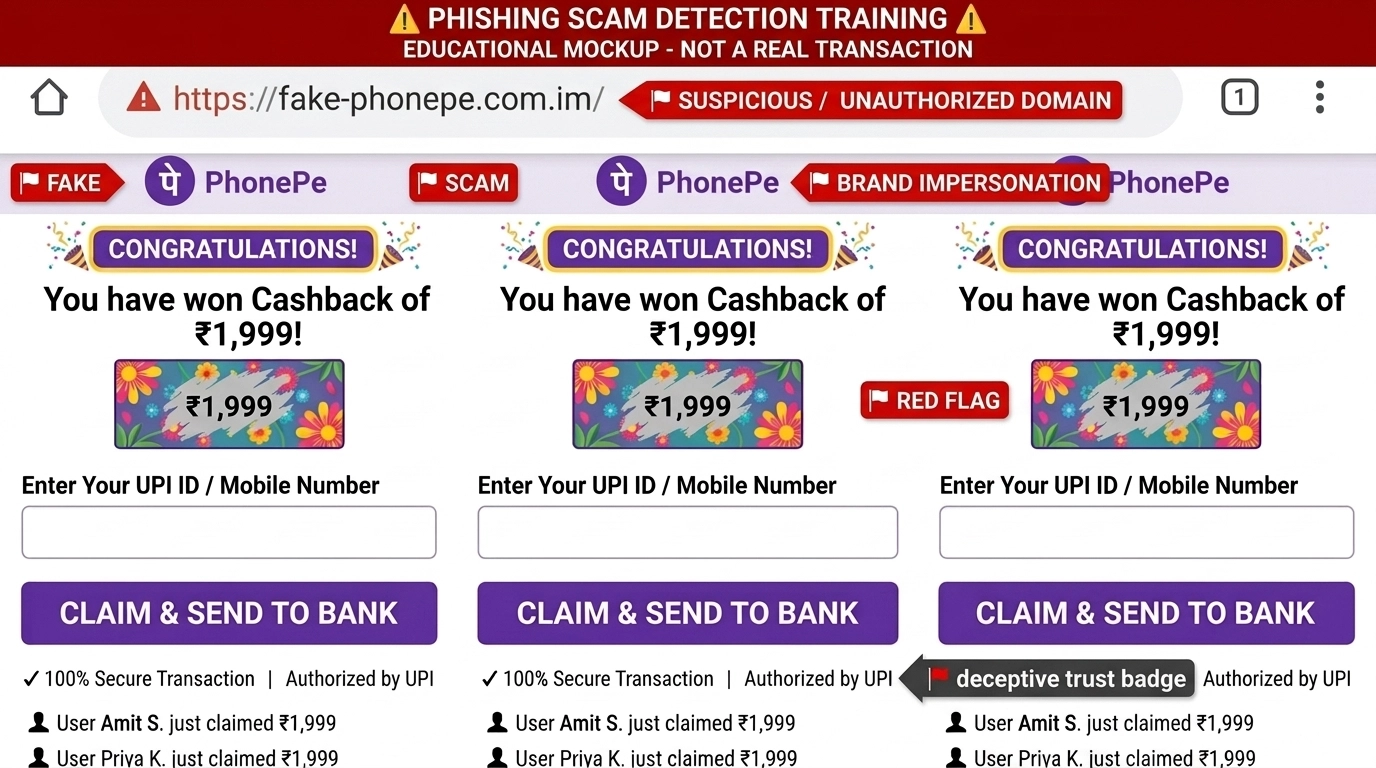
| Download Info | Details |
| App Name | Fake PhonePe APK |
| App Type | Unofficial / Fake App |
| Platform | Android |
| File Format | APK |
| Price | Free |
| Main Risk | Fake Payments & Data Theft |
| Safety | Not Recommended |
Fake PhonePe Payment
Fake PhonePe Payment is a term associated with misleading payment confirmations, imitation payment interfaces, and false claims that money has been transferred. Digital payment services make everyday transactions convenient, but dishonest individuals may exploit people’s trust by presenting edited screenshots or fabricated transaction messages as proof of payment.
Understanding how to recognize suspicious transactions is important for customers, shopkeepers, freelancers, and online sellers. This guide explains common warning signs, reliable verification methods, security precautions, and practical steps to take when a payment appears questionable.
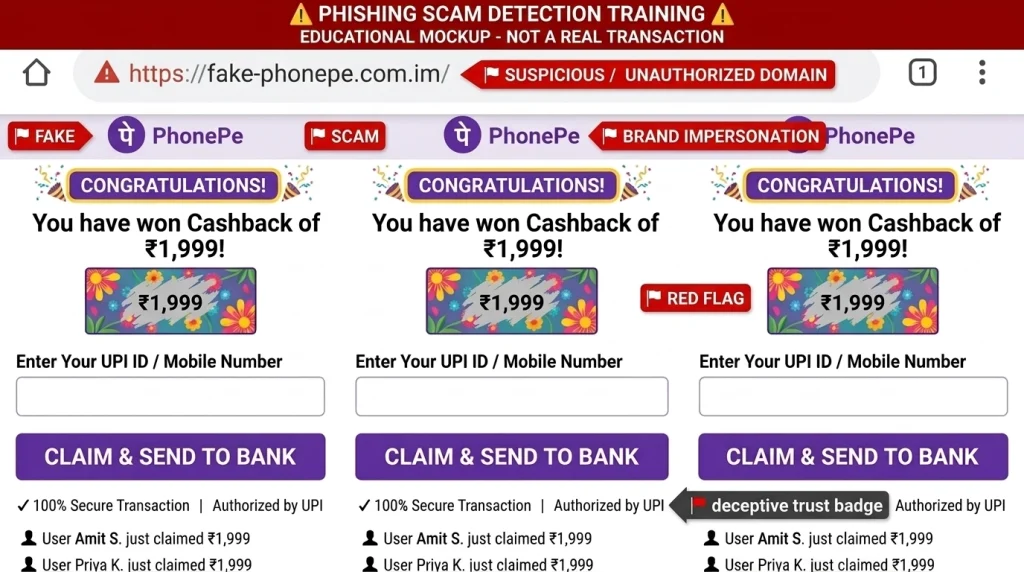
What Is a Fake PhonePe Payment?
A Fake PhonePe Payment refers to a payment claim that appears genuine but does not correspond to a completed transaction. It may involve an edited screenshot, a misleading notification, or an unofficial interface designed to resemble a legitimate payment service.
These situations can occur during in-person purchases, online sales, or transfers between individuals. The central problem is that someone may claim to have paid without the recipient actually receiving the funds.
Common examples include:
- A screenshot showing a successful transaction that never occurred.
- A message claiming that money has been transferred when no funds arrived.
- An edited payment receipt containing incorrect information.
- A fabricated transaction reference presented as proof.
- A misleading notification intended to convince a seller to release goods.
A payment claim should always be checked against the recipient’s own official account records.
Common Warning Signs of Fake Transactions
Recognizing a Fake PhonePe Payment begins with identifying inconsistencies in the information provided by the sender. However, visual clues are only preliminary indicators because legitimate payment screens can differ across devices and application versions.
Look for these potential warning signs:
- Missing transaction records: The claimed payment does not appear in the recipient’s account history.
- Incorrect payment amount: The displayed amount differs from the agreed price.
- Mismatched recipient details: The name or account information does not match the intended recipient.
- Unusual urgency: The sender pressures the seller to hand over goods immediately.
- Suspicious messages: The sender provides unfamiliar links or asks for sensitive financial information.
- Unclear transaction status: The available information indicates a pending or unsuccessful payment rather than a completed transfer.
None of these signs alone proves fraud. Always verify the transaction independently before deciding whether to accept the payment claim.
How Fake Payment Screenshots Can Mislead Users
A Fake PhonePe Payment claim may be supported by a screenshot that resembles an authentic transaction confirmation. Unfortunately, digital images can be edited, copied from earlier transactions, or generated by unofficial demonstration interfaces.
Screenshots can be misleading for several reasons:
- Images can be modified before being shared.
- Old payment confirmations can be reused in unrelated transactions.
- A payment initiation screen may be mistaken for a completed transfer.
- Notifications may not reflect the final transaction status.
- Transaction details may belong to another recipient or payment.
Even a clear image containing a transaction reference should not be treated as conclusive evidence. The recipient must confirm the transaction through the relevant official payment service or bank.
How to Verify a Payment Safely
The most reliable way to investigate a suspected Fake PhonePe Payment is to check your own financial records instead of relying on the sender’s phone or screenshot.
Follow these steps whenever a payment needs confirmation:
- Open your own official payment application or banking service.
- Check your transaction history for the expected payment.
- Confirm the amount and relevant recipient details.
- Review the transaction status to determine whether it is completed, pending, or unsuccessful.
- If the information is unclear, contact the payment provider through its official support channel.
Do not release goods or mark an invoice as paid simply because someone displays a success message. If the transaction is missing from your account, follow the provider’s instructions before proceeding.
Common Payment Scams Affecting Sellers
A Fake PhonePe Payment claim can be especially concerning for shopkeepers and online sellers who handle many transactions throughout the day. Fraudulent claims may exploit busy environments, time pressure, or a seller’s assumption that a payment notification is genuine.
Common situations include:
- Retail purchases: A customer presents a screenshot instead of allowing the merchant to verify receipt.
- Online marketplace sales: A buyer claims to have transferred money and requests immediate shipment.
- Freelance services: A client provides questionable payment evidence to obtain completed work without paying.
- Peer-to-peer transfers: Someone sends a fabricated confirmation during a personal transaction.
- Refund-related deception: A person uses misleading payment information to confuse the recipient about money owed.
Businesses can reduce these risks by establishing a consistent verification procedure and training staff to follow it for every transaction.
Security and Privacy Precautions
When investigating a Fake PhonePe Payment, users should also consider whether the incident involves suspicious applications, websites, or requests for personal information. Unofficial payment tools may expose people to privacy risks beyond the immediate transaction.
Follow these precautions:
- Use official payment applications obtained through verified sources.
- Never share your UPI PIN, banking password, or OTP with another person.
- Avoid opening unfamiliar payment-verification links.
- Do not install unknown applications at another person’s request.
- Keep your device and applications updated.
- Preserve relevant messages and transaction details if fraud is suspected.
Remember that a UPI PIN is used to authorize certain transactions, not to receive money. Be cautious if someone asks you to enter a PIN or approve a payment request supposedly required to receive funds.
What to Do If You Encounter a Fake Transaction
If a Fake PhonePe Payment appears suspicious, take practical steps to protect your money and preserve useful evidence. Avoid rushing into a decision simply because the other person insists that the transaction is complete.
Recommended actions include:
- Check your account records before releasing goods or confirming payment.
- Save relevant messages, receipts, and transaction-related information.
- Contact your bank or payment provider through verified support channels.
- Report suspected fraud through the appropriate official reporting service.
- If you shared confidential credentials, contact your bank promptly and follow its security guidance.
In India, suspected digital payment fraud can also be reported through official cybercrime reporting channels. Prompt reporting may help the relevant authorities or financial institution assess the incident.
Frequently Asked Questions
Can a payment screenshot prove that money was received?
No. A screenshot is supplementary information, not definitive proof. Check your own official account records to confirm receipt.
What if the sender says the transaction is pending?
A pending transaction should not automatically be treated as completed. Review the official status and follow the payment provider’s instructions.
Are transaction reference numbers always reliable?
A displayed reference number does not independently prove that a transfer reached your account. Verify it through the official payment service when necessary.
What is the safest way to protect a business?
Use a standard payment verification process, train employees, and release goods or services only after confirming receipt through official account records.
Conclusion
Understanding Fake PhonePe Payment claims can help individuals and businesses recognize suspicious transactions before suffering a financial loss. Edited screenshots, misleading notifications, and false payment assurances can appear convincing, but none replaces confirmation from a genuine financial account.
Always check transaction records independently, protect sensitive credentials, and avoid acting under unnecessary pressure. By adopting consistent verification practices and reporting suspected fraud promptly, users can make digital payments safer and protect themselves from avoidable financial risks.