
Fake PhonePe
| Download Info | Details |
| App Name | Fake PhonePe APK |
| App Type | Unofficial / Fake App |
| Platform | Android |
| File Format | APK |
| Price | Free |
| Main Risk | Fake Payments & Data Theft |
| Safety | Not Recommended |
Fake PhonePe
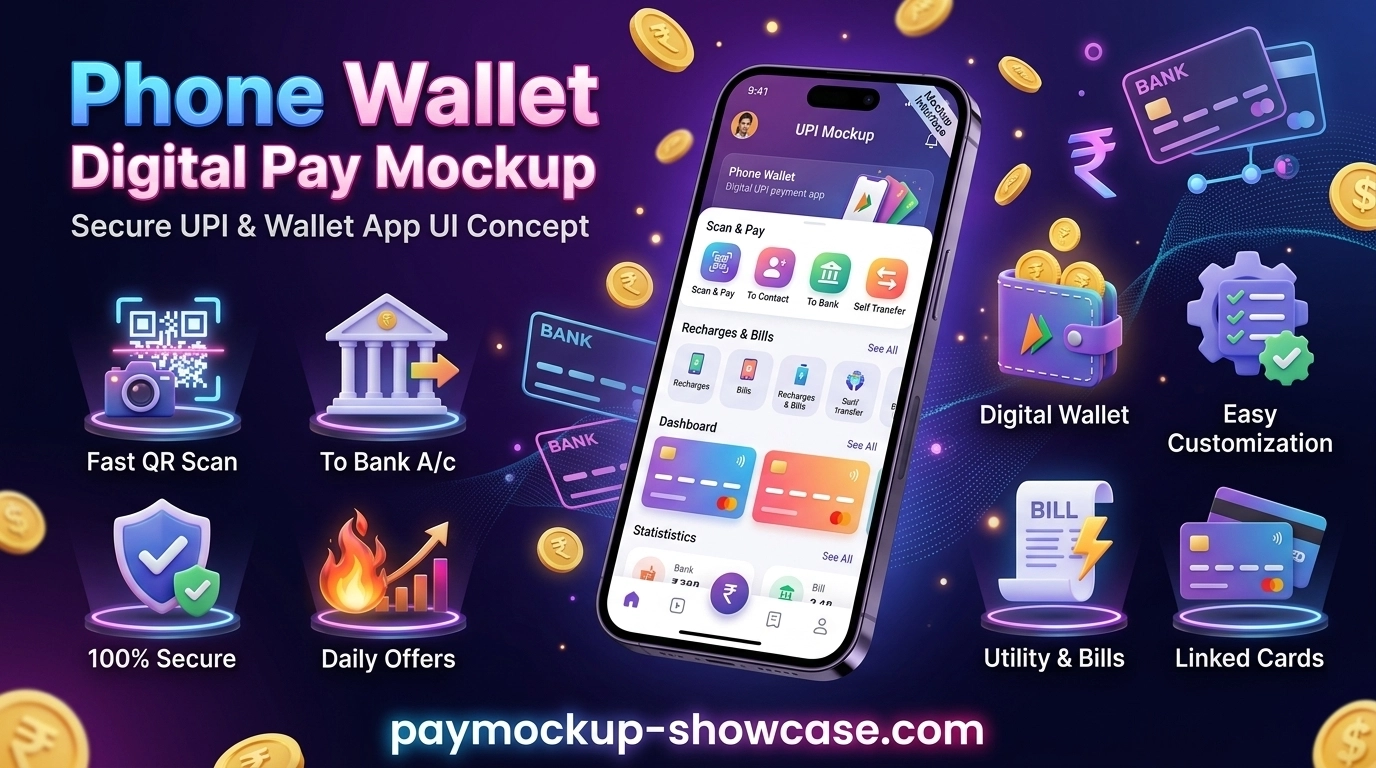
Fake PhonePe is a term commonly associated with imitation payment interfaces, mock transaction screens, and unofficial apps designed to resemble the PhonePe digital payment platform. People may encounter these tools while exploring app demonstrations, testing user interfaces, or learning about digital payment scams. Understanding how these tools work is important because a payment screenshot or animation does not prove that money has actually been transferred.
This guide explains the common features, potential uses, limitations, security concerns, and verification methods associated with imitation payment apps. It also highlights practical steps that users and merchants can take to protect themselves from misleading payment claims.
What Is Fake PhonePe?
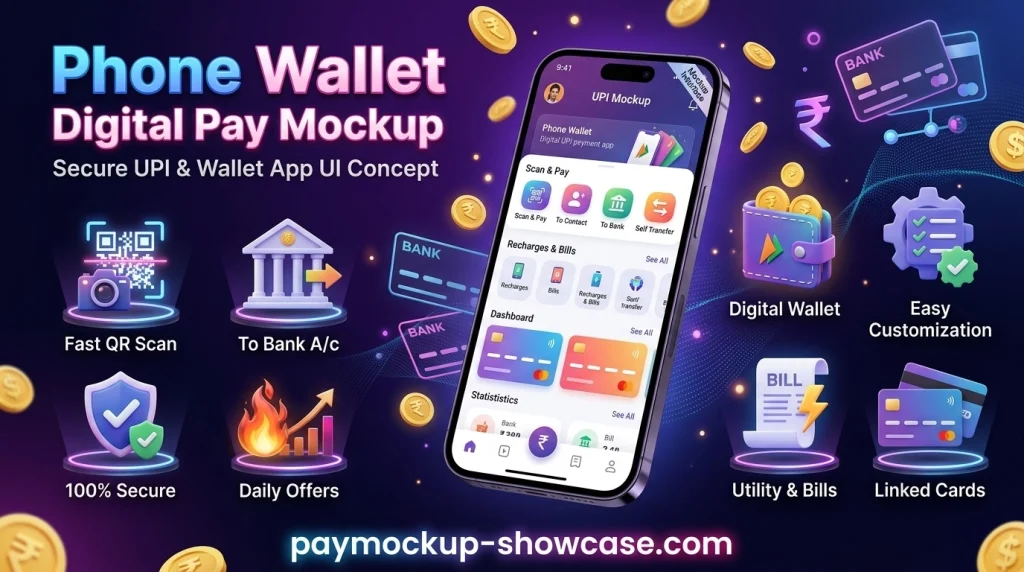
Fake PhonePe generally refers to an unofficial application, website, or visual interface that imitates some elements of PhonePe. Unlike the genuine payment service, an imitation tool may display sample balances, transaction messages, or payment confirmation screens without connecting to a real financial account.
These tools can vary considerably in their design and functionality. Some are created for educational demonstrations, while others may be used to deceive people into believing that a payment has been completed.
Common characteristics include:
- Interfaces that resemble digital payment applications.
- Demonstration screens containing sample transaction details.
- Mock payment confirmations that do not represent actual transfers.
- Unofficial branding or designs that may confuse inexperienced users.
It is important to distinguish a visual demonstration from a genuine financial transaction. Only a verified transaction record from the relevant payment service or bank can establish whether a transfer occurred.
Main Features and Interface Elements
The features associated with Fake PhonePe tools depend on the particular application or website. Some focus primarily on appearance, while others provide interactive demonstrations that simulate the steps involved in making a digital payment.
Common interface elements may include:
- Payment screens: These imitate the general layout of a digital payment interface.
- Transaction details: Sample screens may display an amount, date, recipient name, or reference number.
- Confirmation messages: A demonstration may show a success message even when no payment has taken place.
- QR code displays: Some interfaces reproduce the appearance of payment QR screens.
- Mobile-friendly layouts: Certain tools are designed to resemble applications viewed on Android smartphones.
These features should not be interpreted as proof of a real transfer. A convincing design can be reproduced without access to banking infrastructure, and displayed information may be entirely fictional.
Common Uses of Fake Payment Interfaces
The possible uses of Fake PhonePe interfaces depend on the user’s purpose and the tool’s design. Legitimate educational demonstrations can help people understand payment workflows, while misleading applications can create financial risks.
Potential uses include:
- UI demonstrations: Developers can study the general layout of payment screens using clearly labelled sample data.
- Training exercises: Businesses can teach employees how to recognize suspicious payment confirmations.
- Fraud awareness: Educators can demonstrate why screenshots should never replace transaction verification.
- Interface testing: Designers can evaluate the appearance and usability of payment-related layouts without processing real money.
However, using imitation interfaces to mislead sellers, customers, friends, or businesses about a payment can cause financial harm. Never present a simulated transaction as genuine proof of payment or use another company’s branding in a way that misrepresents an application’s identity.
Fake PhonePe vs. the Official PhonePe App
Understanding the differences between Fake PhonePe interfaces and the official PhonePe application helps users avoid confusion when handling digital payments.
The official application operates through supported payment services and provides transaction information associated with genuine payment activity. An imitation interface may only reproduce the visual appearance of those processes.
Important differences include:
- Payment processing: The official service can facilitate supported transactions, whereas an imitation screen may not transfer funds.
- Transaction records: Genuine payments should have corresponding records available through the appropriate payment service or bank.
- Account security: Official applications follow established security procedures, while unofficial copies may request unnecessary permissions or collect sensitive information.
- Application source: The official app should be obtained through its verified distribution channels.
- Customer support: Genuine services provide official support channels for payment-related questions and disputes.
Users should verify the publisher, app permissions, and transaction records instead of judging authenticity solely by an application’s appearance.
How to Identify a Fake Payment Confirmation
A screenshot associated with Fake PhonePe may appear convincing at first glance, but images can be edited, copied, or generated without a real transaction. Merchants and individuals should follow a consistent verification process before releasing goods or confirming payment.
Look for these warning signs:
- Payment visible only in a screenshot: A picture alone does not confirm that funds have arrived.
- Missing transaction records: The payment may not appear in the recipient’s official transaction history.
- Unusual requests: A sender may pressure the recipient to accept an image as proof instead of waiting for confirmation.
- Inconsistent information: The amount, recipient details, or transaction status may not match the expected payment.
- Suspicious links: Messages claiming to verify a payment may direct users to unofficial websites.
The safest approach is to open the recipient’s own official payment application or banking service and independently check the transaction. Do not rely on a sender’s phone, screenshot, or verbal assurance.
Security Risks and Privacy Concerns
Downloading Fake PhonePe applications from unknown websites can expose users to security and privacy problems. An unofficial application may contain unwanted advertisements, malicious code, deceptive features, or requests for information that it does not need.
Potential risks include:
- Theft of personal information or financial credentials.
- Exposure to malicious software.
- Unauthorized access resulting from excessive app permissions.
- Misleading payment messages that lead to financial losses.
- Collection or misuse of contact information and other device data.
Never share your UPI PIN, banking password, one-time password (OTP), or other confidential authentication information with an imitation application or an unknown person.
To reduce these risks, install financial applications only from verified sources, review permissions carefully, keep your device updated, and remove suspicious applications. If you believe your financial information has been compromised, contact your bank or payment provider through its official support channel.
Safe Alternatives for Learning and Testing
People interested in payment-interface design can use safer alternatives instead of relying on unofficial financial applications. These options support learning and testing without misrepresenting simulated payments as real transactions.
Recommended approaches include:
- Prototype design tools: Create clearly labelled sample payment screens for visual demonstrations.
- Sandbox environments: Use a payment provider’s authorized testing environment when available.
- Mock transaction data: Work with fictional names, amounts, and reference numbers that cannot be mistaken for actual payments.
- Educational demonstrations: Show sample payment flows with a visible notice stating that no real money has moved.
These alternatives allow developers, students, and business owners to explore payment workflows while respecting privacy, security, and consumer trust. Never use test credentials with real financial accounts or expose confidential customer information during demonstrations.
Frequently Asked Questions
Is Fake PhonePe an official application?
No. The term Fake PhonePe describes imitation interfaces or unofficial tools, not the official PhonePe payment service. Users should verify an application’s publisher and distribution source before installing it.
Can a payment screenshot prove that money was transferred?
No. Screenshots can be edited or generated. Always confirm the transaction through your own official payment application or bank account.
Is downloading an imitation payment app safe?
Not necessarily. Unofficial downloads may contain malware, deceptive advertising, or privacy risks. Avoid installing applications from unknown sources, especially when they request financial credentials.
What should a merchant do if a payment looks suspicious?
The merchant should check the recipient account’s transaction history, confirm the amount, and wait for verified payment status before releasing goods or services. If necessary, contact the payment provider.
Conclusion
Understanding Fake PhonePe and the interfaces associated with it helps users recognize the difference between a simulated payment screen and a genuine financial transaction. While mock interfaces can support education, design demonstrations, and authorized testing, they should never be treated as evidence that money has changed hands.
The most reliable protection is simple: verify every payment independently, use official applications, protect confidential credentials, and avoid unfamiliar downloads. By following these practices, individuals and businesses can reduce fraud risks and make more informed decisions when using digital payment services.
1 thought on “Fake PhonePe Complete Guide to Features and Uses”